
Midwest winters are unforgiving. Snow accumulation, ice, and repeated freeze-thaw cycles put constant stress on commercial buildings—especially their gutter systems. For property owners and managers, overlooking winter gutter maintenance can lead to water damage, safety hazards, and expensive repairs that extend far beyond the colder months.
Understanding how winter conditions affect commercial gutters, and what proactive maintenance looks like, can make a measurable difference in protecting your investment. Below, we break down what Midwest commercial property owners should know about winter gutter maintenance and why professional care matters.
Why Midwest Winters Are Especially Hard on Commercial Gutters
Commercial gutter systems in the Midwest face a unique combination of challenges. Heavy snowfall adds weight to gutters, while daytime melting and nighttime freezing create ice buildup that can pull gutters away from the building. Over time, this stress weakens fasteners, seams, and downspouts.
Unlike residential systems, commercial gutters often handle larger roof surfaces and higher volumes of runoff. When gutters are clogged or damaged, melting snow has nowhere to go. Water backs up, refreezes, and forms ice dams that can force moisture under roofing materials or into exterior walls.
According to the National Oceanic and Atmospheric Administration (NOAA), Midwest states routinely experience extended freeze-thaw cycles during winter, which significantly increases the risk of structural wear and water intrusion when drainage systems are compromised. This makes winter gutter maintenance a necessity, not a luxury.
Common Winter Gutter Problems in Commercial Buildings
Commercial property owners often don’t notice gutter issues until visible damage occurs. Unfortunately, winter tends to accelerate small problems into major ones. Common issues include:
-
Ice dams and icicle formation: These are signs of blocked or poorly draining gutters. They also pose safety risks to pedestrians below.
-
Detached or sagging gutters: The added weight of ice and snow can pull gutters away from fascia boards or roofing edges.
-
Cracked seams and leaks: Cold temperatures cause materials to contract, worsening existing cracks and joint failures.
-
Blocked downspouts: Frozen debris prevents proper drainage, increasing roof load and overflow risks.
Left unaddressed, these problems can lead to roof damage, foundation issues, and liability concerns for commercial property owners.
The Role of Proactive Winter Gutter Maintenance
Effective Midwest winter gutter maintenance focuses on prevention. For commercial properties, this typically starts well before the first snowfall. Cleaning gutters and downspouts removes leaves and debris that trap moisture and freeze. Inspections identify loose fasteners, damaged sections, or improper slope that could worsen under winter conditions.
Maintenance may also include reinforcing hangers, sealing joints, and ensuring downspouts discharge water safely away from the building. In some cases, property owners choose additional solutions such as gutter guards or heat cable systems to reduce ice buildup during prolonged cold spells.
Routine winter gutter maintenance doesn’t just protect the gutters themselves—it helps preserve the roof, siding, foundation, and interior spaces of the building.
Why Commercial Properties Benefit from Professional Service
While some maintenance tasks may seem straightforward, commercial gutter systems are rarely a DIY project. Larger buildings require specialized equipment, safety protocols, and experience working at height during cold weather.
Professional gutter service providers understand how Midwest winters affect different building types and can spot issues that are easy to miss from the ground. They also help property owners avoid unnecessary risks to staff or tenants by ensuring work is done safely and efficiently.
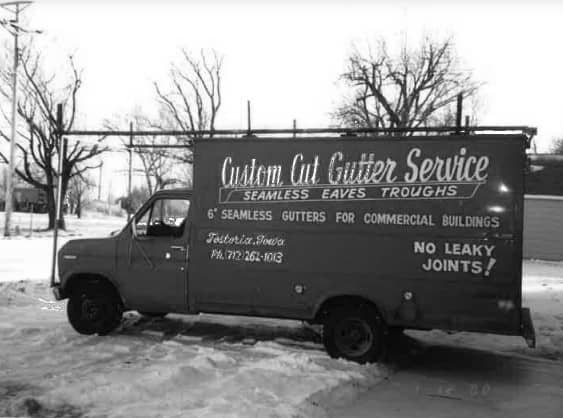
For property owners in northwest Iowa, professional services like those offered through Custom Cut Gutters’ gutter repair and maintenance services provide peace of mind that systems are prepared for winter—and monitored when conditions change.
Timing and Planning for Winter Gutter Maintenance
The best time for commercial winter gutter maintenance is typically late fall, before sustained freezing temperatures arrive. However, mid-winter inspections are still valuable, especially after heavy snow or ice storms. Addressing issues early can prevent emergency repairs when conditions are more dangerous and costly.
Property managers should also plan maintenance as part of a broader winter property management strategy. Coordinating gutter inspections with roof checks, snow removal planning, and drainage assessments helps ensure the entire building performs as intended throughout the season.
Protect Your Property Before Winter Takes Its Toll
Commercial Midwest winter gutter maintenance is a critical part of protecting your building, your tenants, and your bottom line. From preventing ice dams to reducing long-term structural damage, proactive care helps commercial properties weather Midwest winters with fewer surprises.
If you manage or own a commercial property and want to ensure your gutters are ready for winter, now is the time to act. Contact Custom Cut Gutters to schedule a professional inspection or maintenance service and keep your drainage system working reliably all season long. Proper preparation today can help you avoid costly repairs tomorrow.